
One of the most delicate leadership challenges executives face is managing employees nearing retirement. Unlike early-career professionals eager to grow or mid-career leaders striving for advancement, soon-to-retire employees may be in a very different mindset — one that prioritizes stability, familiarity, and winding down over growth, innovation, and risk-taking.
This stage can provide substantial value, as these employees often possess decades of institutional knowledge, strong relationships, and a long history with the company. But it can also present challenges when motivation, adaptability, or team alignment begin to wane. Organizational psychologist Daniel Levinson once described career life stages as “seasons,” each with its own developmental tasks. For leaders, navigating the “retirement season” with both respect and strategic foresight is critical for team health and company continuity.
Common Challenges of Managing Soon-to-Retire Employees
1. Declining Engagement. Some employees begin to mentally “check out” once they know retirement is near. They may resist learning new skills, avoid stretch assignments, or simply do the bare minimum. This can frustrate colleagues who feel they are carrying a disproportionate share of the workload.
2. Fixed Mindsets and Outdated Approaches. After decades of doing things a certain way, some employees may resist change. Carol Dweck’s work on growth vs. fixed mindsets underscores how damaging this can be to team progress. When a veteran leader refuses to adapt, it not only stalls innovation but can also discourage younger employees who crave guidance and support.
3. Negative Energy on Teams. Sometimes, the frustration of being “almost out the door” manifests as cynicism or dismissiveness. A skeptical, resistant attitude can undermine morale and stifle creativity, especially when an employee feels untouchable due to tenure or loyalty.
Organizational Dilemmas
1. Loyalty and Legacy. Long-serving employees often hold a special place in the organization’s story. Leaders may hesitate to confront underperformance because of past contributions or out of respect for years of service.
2. Team Morale. Even if performance has declined, many soon-to-retire employees are well regarded. Handling their transition poorly can harm morale and signal to others that the company does not value its employees.
3. Institutional Knowledge. In some cases, retirees hold critical knowledge that has not been documented or shared. This creates a “single point of failure” for the organization. Harvard Business Review notes that knowledge transfer during retirements is one of the most overlooked succession risks companies face.
Leadership Strategies to Manage This Transition
1. Set Clear Expectations and Address Performance. Respect does not mean avoidance. Leaders should continue to set expectations and hold soon-to-retire employees accountable. Frame it as ensuring that the legacy of their work endures within the team. Choose your battles wisely, focusing on issues that impact culture, client outcomes, or team cohesion
2. Redefine Their Role for Maximum Value. If motivation for new projects has waned, consider narrowing their scope to focus on what they do best. Moving them from management into an individual contributor or mentor role can enable them to add value without adversely affecting others. Taking time to understand their motivations at this stage can help you approach them more effectively.
3. Leverage Knowledge Transfer. Position them as mentors or “knowledge stewards.” Encourage them to document processes, coach rising leaders, or conduct training sessions. This not only preserves institutional wisdom but also allows them to leave a legacy.
4. Explore Internal Transitions. Sometimes, moving the person to a team or function that better aligns with their strengths can be beneficial. A lower-visibility role may help them finish their career with dignity while minimizing team disruption.
5. Plan for Graceful Exits. If performance issues outweigh contributions, it may be time to guide them toward a positive exit. Providing a strong retirement package and celebrating their contributions can soften the transition and signal that the company honors its people.
6. Build for the Long Term. Succession planning is the real antidote. Ensure no single person holds irreplaceable knowledge or critical relationships. Developing future leaders and creating systems for knowledge capture protects both the company and the individual.
Managing employees nearing retirement requires leaders to balance respect with accountability, empathy with decisiveness, and legacy with progress. When approached thoughtfully, these transitions can preserve institutional knowledge, strengthen culture, and honor contributions while ensuring the organization is prepared for the future.
Quote of the Day: “What you leave behind is not what is engraved in stone monuments, but what is woven into the lives of others.” -Attributed to Pericles, Athenian Statesman
Reflection Question: How has your organization successfully navigated the retirement of key employees? What strategies worked best to balance respect, performance, and continuity? Comment and share below; we’d love to hear from you!
The next blog in this series 5/7 will focus on another leadership challenge – leading dotted line employees.
As a leadership development and executive coach, I work with leaders to sharpen their leadership skills and navigate tricky situations like these. Contact me to explore this topic further.
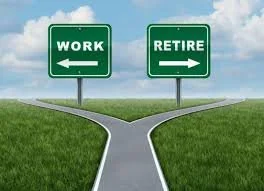
How do you lead the almost retired?