
When people think of your leadership, what comes to mind? Are you seen as collaborative and empowering? Visionary and bold? Or detail-driven and exacting? One of the most powerful elements of your leadership brand is your style - the way you show up, make decisions, and engage with others every day.
Leadership style is not about adopting the “right” model; it’s about knowing how you naturally lead, communicating that clearly, and flexing to meet the needs of your people and organization. As the Center for Creative Leadership notes, self-awareness around your style is essential - people cannot work effectively with you if they do not know what to expect. And as McKinsey’s research highlights, thriving organizations are led by executives who balance authenticity, adaptability, and empathy.
Why Defining and Sharing Your Style Matters
· Builds Trust and Predictability. When people know how you operate, they can anticipate your reactions and approach you with confidence. Transparency builds psychological safety.
· Helps Others Work Better with You. Sharing your style with your manager, peers, and team allows them to collaborate more effectively. It removes guesswork and reduces friction.
· Aligns Brand and Behavior. When what you say about your style matches how you actually lead, people experience you as authentic. This strengthens your credibility and your brand.
Common Leadership Styles — In Practice
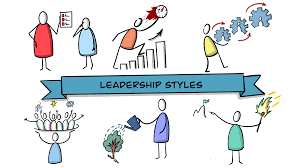
Psychologist Daniel Goleman identified six leadership styles rooted in emotional intelligence. Here are the ones most relevant for today’s leaders, reframed with modern examples:
1. Visionary Leadership (Authoritative). Big-picture leaders set a compelling direction and inspire people to follow. They do not micromanage — they empower. Satya Nadella at Microsoft modeled this by shifting the company toward cloud and AI while encouraging innovation across teams. Visionary leadership is especially powerful in times of change, when people need clarity and inspiration.
2. Relational Leadership (Affiliative). Relational leaders put people first, building trust and creating a sense of belonging. Shantanu Narayen at Adobe emphasized empathy and connection as he guided the company’s transformation to a subscription model. This style fosters loyalty but must be balanced with accountability to avoid avoiding hard conversations.
3. Collaborative Leadership (Democratic). Collaborative leaders invite input and value diverse perspectives. Sundar Pichai at Google is known for encouraging open debate and careful listening before aligning the company around key decisions. This style drives innovation but can slow momentum if inclusivity outweighs decisiveness.
4. High-Performance Leadership (Pacesetting). These leaders set ambitious standards and model them daily. Elon Musk, for instance, embodies intensity and relentless drive, expecting teams to keep pace. This approach can yield breakthroughs but risks burnout if not tempered with support.
5. Coaching Leadership. Coaching leaders focus on developing people for the long term. Mary Barra at GM demonstrates this by encouraging her teams to learn and adapt as the auto industry evolves. Coaching builds loyalty and capability, though it requires patience and commitment.
6. Situational Leadership. Situational leaders flex based on the readiness and skills of their people. A new hire may need structure, while an experienced employee thrives with autonomy. Jeff Bezos shifted from hands-on in Amazon’s early years to empowering senior leaders as the company scaled. The strength is adaptability; the risk is inconsistency if expectations are unclear.
7. Servant Leadership. Servant leaders prioritize the growth and well-being of others. Satya Nadella, again, provides an example: by leading with empathy and humility, he rebuilt Microsoft’s culture while driving high performance. The upside is deep trust and engagement; the watch-out is balancing service with tough decision-making.
The strongest leaders do not stick to one style. They flex. They know when the moment calls for clarity and direction, when it requires empathy and support, and when it demands raising the bar.
Balancing Relationships and Results
A critical dimension of leadership style is balancing relationships with results. Focus only on results, and people may feel you don’t care. Focus only on relationships, and productivity suffers. As Maya Angelou said, “People don’t care how much you know until they know how much you care.”
Frameworks like The Leadership Circle show this balance clearly: leaders who lean too heavily into “task” can appear controlling, while those who over-index on harmony risk indecision. The most effective leaders flex between the two - driving outcomes while ensuring people feel valued.
From Espoused Style to Practiced Style
It’s not enough to label your style; what matters is how you live it. One executive I coached described her style as authentic, empathic, and collaborative. When a team member needed time off for an injury, she checked in personally, structured the leave, and created a plan to redistribute work — her actions matched her words.
Another client described her style as coaching and servant leadership, flexing between structure and autonomy based on team needs. A third leader defined her style as collaborative and connective, empowering her team to innovate while mentoring them consistently.
The common thread is that leaders didn’t just state their style; they practiced it in everyday behaviors.
How to Define and Share Your Leadership Style
Reflect on How You Naturally Lead. What energizes you most: vision, relationships, or developing others?
Ask for Feedback. Invite colleagues to describe how they experience your leadership. Look for patterns.
Write Your Leadership Style Statement. Capture it in a few words (e.g., “I lead with vision, empathy, and a focus on results”).
Communicate It. Share your style with your manager, peers, and team so they know what to expect.
Practice and Flex. Show consistency in living your style, and adapt when the situation demands.
Your leadership style is not a box to fit into but a compass for how you show up. Defining and sharing it creates clarity, builds trust, and strengthens your leadership brand. But style isn’t static - it’s about practicing authenticity while flexing to meet the needs of your people and your business. The leaders who thrive today are those who know themselves, communicate openly, and adapt with intention.
Reflection Question. How would you define your leadership style today, and how well are you living it in practice? Comment and share below; we’d love to hear from you!
Quote of the Day: “The supreme quality of leadership is integrity.” – Dwight D. Eisenhower
The next blog in this series 6/6 will focus on building the brand of an executive leadership team.
As a leadership development and executive coach, I work with leaders to develop their leadership brand. Contact me to explore this topic further.
What’s your leadership style?