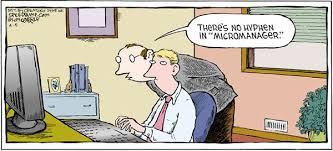
Giving feedback is one of the most powerful accelerators of development. Without it, people rely on guesswork and delayed course correction. With it, learning compresses. What might take months to refine can improve in weeks. Feedback, when delivered well, sharpens awareness — and awareness dramatically increases the speed of growth.
Yet many leaders still default to the familiar “sandwich” approach: cushioning corrective feedback between two compliments. While well-intentioned, this method often backfires. As Roger Schwarz has noted in Harvard Business Review, praise used as a buffer can feel strategic rather than sincere. Instead of softening the message, it heightens anticipation. The recipient waits for the “but,” and the positive feedback loses credibility.
There’s also a cognitive reality at play. Humans process negative information more intensely than positive information — a phenomenon known as negativity bias. Even when praise is included, the corrective portion tends to dominate memory and emotion. The praise fades. The criticism lingers. And the anxiety both parties hoped to avoid quietly increases.
Great feedback is not about cushioning discomfort. It is about creating clarity, reinforcing standards, and strengthening trust. But here’s what often gets missed: Before the structure, model, and wording, you must set the emotional frame.
Set the Emotional Frame Before the Content.
How you open a feedback conversation often determines how it lands. The first sentence signals whether the person should prepare to defend themselves — or lean in to grow, whether they will feel judged or invested in. A strong emotional frame communicates belief, partnership, and forward momentum. You might say:
· This may be hard to hear, and I know it’s going to lead to a good outcome.
· In the spirit of development, I believe in you, and know you can be better than you are / capable of more.
· I want to live in a world where your impact matches your insight.
This works because it signals care, shared future, confidence in growth, and reduces the threat without diluting the truth. When people feel respected and believed in, their nervous system softens. And when defensiveness lowers, learning accelerates.
From there, structure matters. Below are four frameworks that help leaders move beyond outdated tactics and deliver guidance that truly accelerates growth: Magical Feedback, Radical Candor, the SBI Method, and Intent vs. Impact. Feel free to draw inspiration from any of these methods and develop your own approach to deliver your message effectively.
1. Magical Feedback
It is more appetizing to discard that stale sandwich and replace it with magical feedback, a concept pioneered by a group of psychologists from Stanford, Yale, and Columbia. Their research showed that this particular form of feedback used by a teacher boosted student effort and performance immensely. It was what researchers called “wise feedback.”
The formula has 3 components: connection, belonging, and high standards. When those signals are present together, feedback stops feeling like a threat and starts feeling like an investment.
1. Connection: Employees are far more open to feedback when they believe their leader is genuinely invested in them — yet many don’t feel that. A 2018 Employee Financial Wellness Survey found that only 44% of employees believe their manager truly cares about them as a person. When that foundation is missing, feedback feels like evaluation, not development.
Connection doesn’t require over-sharing; it requires intention. When people feel seen, understood, and supported in their growth, feedback lands as partnership rather than criticism. Find out what drives your people.
2. Belonging: Humans are wired for belonging, and the workplace is no exception. Gallup’s research shows that employees who report having a “best friend at work” are more engaged and more committed — not because of popularity, but because connection builds trust. When people feel part of a community, they are more open to feedback and more willing to grow.
Framing feedback within belonging reinforces a powerful message: You matter here, and your work affects others. Reminding someone that their teammates rely on them and that their contribution shapes collective success shifts feedback from personal critique to shared accountability — and that makes development far more likely.
3. Recognizing high standards: The final ingredient is expectation. Wise feedback does not lower the bar — it reinforces it. It communicates two messages at once: the standard matters, and I believe you can meet it. Without standards, feedback feels optional. Without belief, it feels discouraging.
When delivering feedback, name the expectation clearly and anchor it in the person’s strengths. “We hold a high bar for this role, and you’ve shown the capability to meet it.” When leaders pair challenge with confidence, feedback becomes motivating rather than deflating — and that belief often becomes self-fulfilling.
Separately, each aspect has a limited effect, but when combined, it creates feedback magic and can sound like this. “I’m invested in your growth and in the quality of work we produce together. You’re someone the team relies on for strong, timely execution. When deadlines slip, it creates downstream delays and affects trust with our partners. I know you’re capable of meeting the standard we’ve set — what adjustments would help you get back on track?”
2. Radical Candor
Another powerful approach is Kim Scott’s Radical Candor concept - the ability to care personally while challenging directly. At its core, this model is less about structure and more about stance. It asks leaders to hold two truths at the same time: I respect you, and I won’t lower the standard.
When leaders avoid challenge in the name of kindness, performance suffers. When they challenge without demonstrating care, trust erodes. Radical Candor lives in the tension between the two.
Author Lara Hogan offers a practical way to operationalize this mindset: combine a clear observation with impact, genuine curiosity, and a forward-looking request. The goal is not just to point something out — it’s to strengthen the working relationship and align expectations going forward.
1. Behavior Observation. Describe the who/what/when/where of the situation in which you are referring, keying in on the behavior.
2. Impact. Describe how your employee’s behavior/action has impacted you or others.
3. Question. Ask a question to learn more about the situation. This part is important because you can learn about the person’s intentions and draw attention to the intention-impact gap, which can build trust and understanding.
4. Request. You can offer a request for using the desired behavior going forward and even provide an example or co-create one.
That can sound like this: Example 1: When Beth spoke, I noticed you jumped in and cut her off when she was not done explaining her idea (BEHAVIOR). That interruption made her feel like her ideas were not validated, and she will be more hesitant to share next time (IMPACT). Can you help me understand why you jumped in that way (QUESTION)? How could you give somebody the space to complete their thoughts for next time? Or, I’d like you to give somebody the space to complete their thoughts so they feel safe sharing (REQUEST).
Example 2: When we were in the executive steering committee yesterday, you presented the results as solely your team’s success. I noticed you didn’t mention the cross-functional partners who helped deliver the outcome. I’m concerned that may unintentionally create friction with peers and limit long-term collaboration. Can you walk me through how you were thinking about positioning the win? Going forward, I’d like us to highlight shared ownership when appropriate — it strengthens influence and credibility across the organization.”
3. SBI Method
The SBI approach comes from the Center for Creative Leadership and is one of the cleanest ways to deliver feedback without triggering defensiveness.
S (Situation) - Describe the specific context. When and where did this occur?
B (Behavior) - Describe the observable behavior. Stick to what you saw or heard - not interpretations. Don’t assume you know what the other person was thinking.
I (Impact) - Describe the impact the behavior had on you, the team, or the outcome.
Example 1: In today’s sprint planning meeting (Situation), when the roadmap questions came up, you jumped in quickly and answered most of them before the product managers had a chance to weigh in (Behavior). The impact was that a few team members disengaged, and we may have missed some alternative approaches because the discussion moved forward quickly (Impact).” How did you see that moment? What adjustments might help us get broader input next time?
This feedback ends with inquiry, which keeps it developmental and forward-focused.
Whether the issue is subtle dominance in meetings or a more visible emotional reaction, the structure remains the same.
Example 2: In yesterday’s decision meeting (Situation), after Andy shared his perspective, you raised your voice, left the room abruptly, and closed the door forcefully behind you (Behavior). The impact was that the conversation stopped, Andy felt shut down, the team appeared unsettled, and we were unable to reach a decision (Impact).
By focusing on observable facts and impact — rather than labeling someone as “angry” or “unprofessional” — you keep the conversation grounded in behavior. That makes it easier to address what happened and discuss expectations going forward.
4. Intent v. Impact
Many feedback conversations derail because intent and impact get conflated. When someone feels their character is being questioned, the conversation shifts from growth to self-protection.
Most professionals do not intend to undermine colleagues or silence ideas. Yet even well-meaning actions can create unintended consequences. When feedback implies motive — “You don’t care,” “You’re dismissive,” “You’re controlling” — people defend their identity. When feedback separates intent from impact, it allows both parties to stay focused on outcomes rather than accusations.
The discipline is simple but powerful: acknowledge likely positive intent, then name the observable impact.
For example: “I know your intention in meetings is to move us forward efficiently and keep the discussion focused. When you summarize and redirect before others have finished speaking, the impact is that some team members disengage and hold back ideas. That limits the diversity of thinking we say we value. How can we preserve speed while also ensuring broader input?”
Or, in a more personal moment: “I know it’s not your intent to shut me down, and I believe you value a free exchange of ideas. When you jump in before I’ve finished articulating my thoughts, the impact on me is that I go quiet. I start to feel rushed and question whether I should share unless my ideas are fully formed. I’d like us to find a way to keep discussions efficient while still creating space for contribution. What would you suggest?”
In both examples, intent is respected, impact is clearly articulated, and the path forward is collaborative. By separating motive from outcome, feedback shifts from blame to alignment — and alignment is where meaningful change begins.
As a leader, providing guidance is more than part of your job; it is the right thing to do. When you offer thoughtful feedback, you are investing in someone’s ability to grow. John Stuart Mill captured this idea in On Liberty, “The source of everything respectable in man… is that his errors are corrigible… The whole strength and value of human judgment depending on the one property that it can be set right when it is wrong.” In other words, growth depends on our ability to correct mistakes. Feedback is what makes that correction possible. When you guide someone to improve their work, you don’t just improve performance — you strengthen their capacity to think, judge, and contribute at a higher level.
Quote of the day: “Criticism, like rain, should be gentle enough to nourish a [person’s] growth without destroying [their] roots.” – Frank A. Clark
Reflection Question: What approach do you use in providing feedback to your team? Comment below; we’d love to hear from you.
[The next blog in this series 2/4 will focus on The Art of Receiving Feedback]
As a Leadership Coach, I partner with leaders to help them provide effective feedback to their direct reports, teammates, and other stakeholders, contact me to learn more.