Few tools in management carry more emotional charge than the Performance Improvement Plan. In some organizations, a PIP is viewed as paperwork before termination. In others, it is avoided altogether because leaders fear confrontation. Both extremes miss the point.
A well-designed PIP is structured clarity. It is the moment where expectations, support, and consequences are brought into alignment. No employee should be surprised by a PIP. By the time it is introduced, the performance gap should have been discussed more than once. Surprise is not kindness. It is a leadership lapse — and it often creates defensiveness that makes improvement less likely.
The tone of a PIP conversation sets everything in motion: “As we’ve discussed, your performance is not currently meeting the expectations of the role. I want to outline clearly what needs to change and how we’ll measure progress over the next 60 days.” There is no accusation in that statement. There is clarity.
A strong PIP defines what must change, how improvement will be measured, what support will be provided, and the timeframe for evaluation. Vague language undermines credibility. “Improve communication” does not help. Specific behaviors and measurable outcomes do.
Documentation matters. After each conversation, summarize what was discussed and what actions were agreed upon. Written clarity protects both the employee and the manager. It reduces confusion and preserves trust — and it prevents “We never talked about that” from derailing progress.
During the improvement period, check-ins must be real. Not performative. Review progress. Adjust support if needed. Have them self-assess – how do you think things have been going in terms of the goals we have discussed? Name when improvement is occurring. And name when it is not. Amy Edmondson’s work on psychological safety is helpful here, with a key nuance: psychological safety is not low standards. It is the ability to tell the truth early so performance can improve. A strong PIP creates that structure.
Sometimes performance improves meaningfully. When that happens, the PIP has done exactly what it was meant to do — restore alignment.
Sometimes the improvement is partial or inconsistent. And sometimes, despite support and clarity, the gap remains. That is when the conversation shifts: You can offer these scripts:
· “I haven’t seen enough sustained improvement to feel confident that you can meet the demands of this role.”
· “I don’t see us closing the gap between what’s needed and what you’re delivering. Let’s start talking about your transition plan and timing.”
· I don’t think it will work out here and I want to agree on a timeline for your departure.
If the issue involves a violation of the code of conduct, the process is different. That requires a clear statement of the violation and defined terms of departure — not an extended improvement cycle.
Hard sentences are part of leadership. Delivering them with steadiness and respect is what distinguishes strong managers from avoidant ones.
Reflection Question: Are your performance plans structured for improvement — or delayed documentation? Comment and share below; we’d love to hear from you!
Quote of the Day: “Radical Candor is caring personally while challenging directly.” — Kim Scott
As an Executive Coach, I partner with leadership teams to help them performance manage with both excellence and compassion. If you’d like to strengthen how your leaders hold standards and develop people, let’s connect.
The next article in this series 7/7 will focus exits and edge cases.
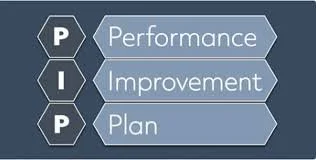
What does your PIP look like?