
Whether you're climbing the ladder or trying to survive another team reorg, office politics is part of the terrain. And no, saying “I don’t do politics” doesn’t exempt you; it just means you might be missing critical cues and opportunities.
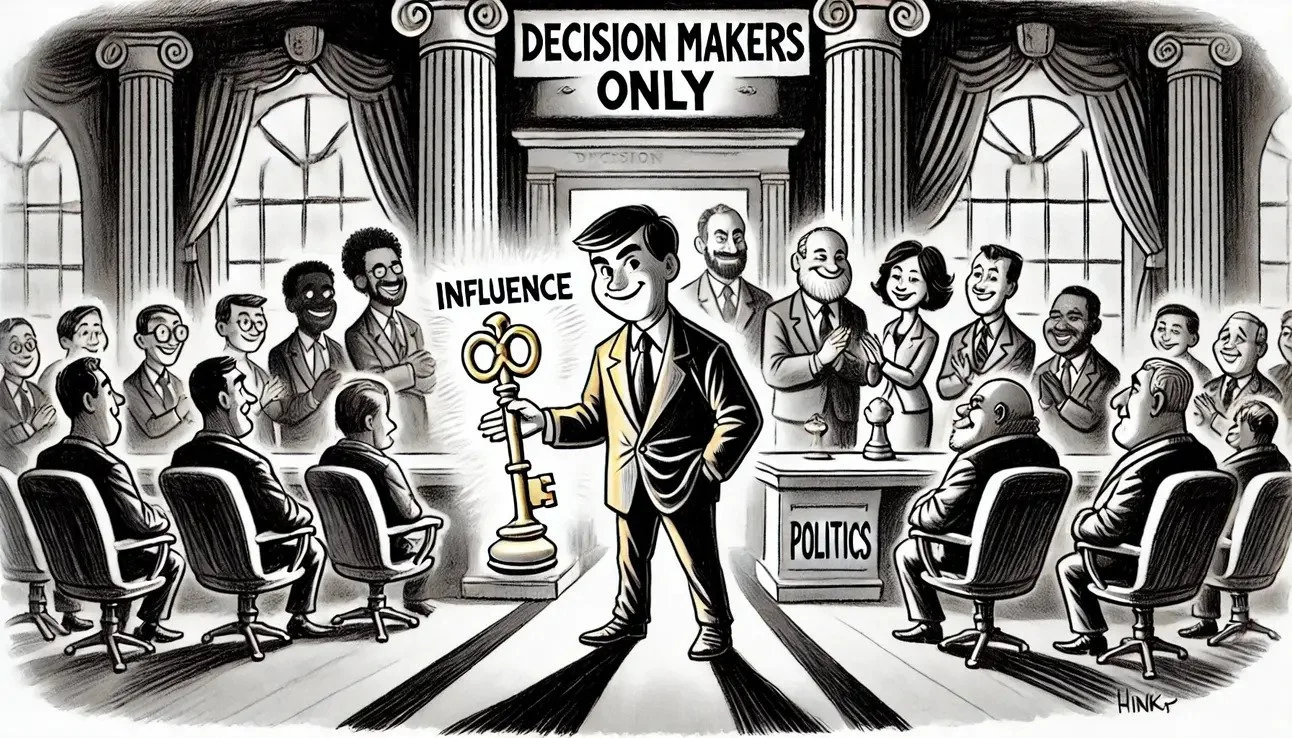
You can navigate politics ethically and strategically, without compromising who you are. The key is to lean into relationships, understand influence, and make your impact visible in ways that align with your values.
Let’s dig into the practical strategies:
1. Know Your Political Style. The first step in navigating politics is understanding how you tend to show up -and whether your current workplace culture rewards or punishes that approach. Kathleen Kelley Reardon, expert on organizational politics, identifies four common styles:
The Purist. Focused on doing great work and avoiding politics altogether. Purists value fairness and trust the rules but may be blindsided in more politically charged environments.
The Team Player. Willing to engage in politics that serve collective goals but stops short of self-serving maneuvering. Knows when to flex and when to hold to values.
The Streetfighter. Thrives in high-stakes, high-conflict environments. Uses aggressive tactics and sees politics as a game of survival.
The Maneuverer. Politically savvy and strategic. Reads the room well, builds alliances, and knows how to get things done - often without anyone realizing they’ve played a political card.
Gerald Ferris's Political Skill Inventory offers a complementary lens: rather than a style, it measures a skillset — social astuteness, interpersonal influence, networking ability, and apparent sincerity. Together, these two frameworks give you a style to recognize (Reardon) and a set of competencies to build (Ferris).
Get honest about your default style, assess whether it fits your organization’s culture, and build your ability to flex without losing your core values. The most effective professionals can stretch beyond their comfort zone while staying grounded in integrity.
2. Build Strategic Relationships.
2A. Invest in Allies: Your performance matters, but relationships make your impact visible. Build relationship currency with people who can advocate for your work -and who will speak up when you’re not in the room.
2B. Don't Ignore Adversaries: Avoiding people who challenge or threaten you might feel easier, but it limits your political capital. Every adversary you ignore is one more person who can block your influence. Build rapport where you can.
2C. Understand How Relationships Get Built: In today’s hybrid world, relationships often form in unexpected places -WhatsApp chats, virtual coffees, off-agenda catch-ups. If they’re not happening, start them. Relationship-building is the work, not a distraction from it.
3. Expand Your Influence Beyond the Org Chart
3A. Connect Outside Your Company: Build credibility in your industry, not just inside your company walls. Use social media to connect with thought leaders, peers, and potential sponsors. A wide, diverse network is a major career asset.
3B. Leverage Relationships with Integrity: When you’ve built trust and offered value, do not be afraid to ask for support. Research shows that asking for a favor can actually increase how much someone likes you - a dynamic known as the Ben Franklin Effect. When people help you, they’re more likely to feel invested in the relationship. The key is to make the ask genuine and grounded in mutual respect, not manipulation.
4. Master the Art of Ethical Influence
4A. Understand What Matters to Others: Influence starts with empathy. Learn your audience. If they value data, bring metrics. If they respond to stories, tell one. Speak their language, not just yours.
4B. Prepare Strategically: Politics isn’t about scheming - it’s about preparation. Know your stakeholders’ goals, anticipate objections, and have informal conversations before the big meeting. That’s just smart leadership.
4C. Anticipate Shifts in Power—and Adapt. New leaders often bring new priorities, relationships, and power dynamics. Projects and roles can shift quickly. Don’t cling to old alliances - get curious about what the new leader values and who they trust. If possible, build an authentic connection and stay visible. Adaptability -not resistance -is key to staying relevant during transitions.
4D. Give Credit Generously: Be known as someone who lifts others up. Compliment ideas, share wins, and use “Yes, and…” to build on others’ contributions. Make people feel heard, not overshadowed.
5. Advocate for Your Work. You’ve probably heard, “I let my work speak for itself.” Sounds noble, but it’s a trap. As Carla Harris of Morgan Stanley famously said: “Work does not speak. People do.” The key is to frame your accomplishments in terms of the impact they’ve had -not just the tasks you completed. Share how your work advances team goals or solves real problems. And don’t just speak for yourself, make sure others speak to your value too.
This matters even more given what we now know about the visibility gap: with a meaningful share of performance ratings shaped by how present someone appears rather than what they've actually delivered, documenting your wins is no longer optional polish — it's a genuine safeguard against bias. A simple practice: log your wins weekly, share brief updates monthly, and walk into every review with evidence instead of relying on someone else's memory.
6. Focus on Collective Wins. Make it a habit to spotlight team wins and collaborative success. When you advocate for others (especially without an agenda), you build trust and influence. When you consistently show you’re playing for the team, others are more likely to play for you.
Navigating office politics isn’t about playing dirty - it’s about playing smart. It’s about learning how influence works, investing in relationships, and making your impact visible without losing yourself along the way.
Politics exists. The question is: will you be at the mercy of it, or will you learn how to move through it with clarity, courage, and integrity?
Quote of the day. "In organizations, real power and energy are generated through relationships. The patterns of relationships and the capacities to form them are more important than tasks, functions, roles, and positions." — Margaret J. Wheatley
Question. How are you making your impact visible—and who are you empowering to speak on your behalf when you're not in the room? Comment and share below; we’d love to hear from you.
As a leadership development and executive coach, I work with leaders to better navigate office politics, contact me to explore this topic further.
How do you navigate politics ethnically?